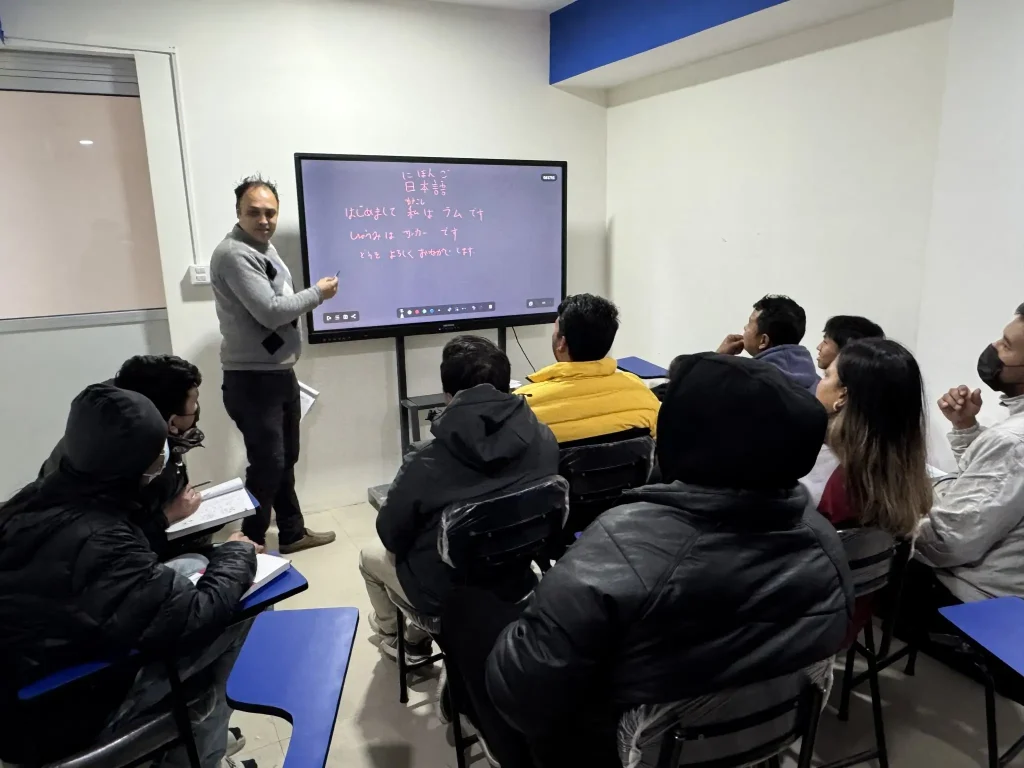
Are you a Nepali citizens with dreams of landing a working visas in Japan, whether it’s through SSW, TITP, or after finishing your Bachelor’s degree? Japan, known as the Land of the Rising Sun, is brimming with fantastic career opportunities, but navigating the visa process can seem a bit complex. No need to stress, though—this guide is designed to help you figure out exactly what steps you need to take to secure that working visa. We’ll guide you through the essential steps, including the important language requirements. One key point to keep in mind is that passing the NAT-JFT-JLPT exam is often necessary. This exam evaluates your Japanese language skills and is a requirement for many visa categories. With the right preparation and a solid plan, you’ll be well on your way to building a successful career in Japan.
Why Work in Japan as a Nepali Citizens ?
Japan is so much more than just cherry blossoms and anime—it’s a thriving center for some of the world’s leading companies, offering competitive salaries, a great work-life balance, and the opportunity to immerse yourself in one of the most fascinating cultures around. For Nepali citizens, Japan has turned into a highly desirable place for career growth and professional development. With an aging population and labor shortages in various sectors, Japan is opening its doors wide for foreign workers, creating incredible opportunities for skilled professionals from Nepal.
Types of Working Visas for Nepali Citizens
Japan offers various visa categories depending on your qualifications and the nature of work you’ll be doing:
1. Specified Skilled Worker Visa (SSW)
SSW visa was introduced in 2019 to address labor shortages in specific industries. It has two categories:
- SSW Type 1: For workers with basic skills in designated sectors. Valid for up to 5 years total, but doesn’t allow bringing family members.
- SSW Type 2: For workers with higher skill levels. Allows for indefinite renewals and bringing family members.
Industries covered include:
- Nursing care
- Building cleaning
- Food Packing
- Hotels & Accomodations
- Construction
- Shipbuilding
- Agriculture
- Fishery
- Food service
- Hospitality
- Aviation
- Driver
2. Technical Intern Training Visa
This program allows Nepali workers to develop skills while working in Japan for a limited period (usually 3-5 years). Many Nepali citizens start their Japanese career journey through this program.
3. Highly Skilled Professional Visa
For professionals with advanced degrees and specialized skills. This visa offers numerous benefits including a fast track to permanent residency.
3. Other Working Visas
- BACHELOR DEGREE
- Artist
- Journalist
- Business Manager
- Legal/Accounting Services
- Medical Services
- Researcher
- Instructor
- Engineer/Specialist in Humanities/International Services
- Others
Japanese Language Requirements: NAT-JFT and JLPT
One of the biggest hurdles for Nepali workers is meeting Japanese language requirements. There are two main language tests accepted for working visas:
NAT-JFT (Japanese-Language NAT-TEST for Foreign Workers)
The NAT-JFT was specifically developed for foreign workers applying for the Specified Skilled Worker visa. Here’s what you need to know:
- Test Format: Tests listening and reading comprehension
- Pass Requirement: Score of at least 400 points out of 1000
- Test Centers in Nepal: Available in Kathmandu and Pokhara
- Exam Dates: Held multiple times throughout the year
- Registration: Through authorized centers or online
- Preparation: Many language institutes in Kathmandu offer specific NAT-JFT preparation courses
JLPT (Japanese-Language Proficiency Test)
The JLPT is the standard Japanese language qualification with five levels (N5 to N1):
- For most working visas, N4 or N3 level is required
- For professional positions, N2 or N1 may be necessary
- Exam is held twice a year in Nepal (usually July and December)
- Registration can be done at authorized centers in Kathmandu
Step-by-Step Process for Obtaining a Working Visa
Step 1: Learn Japanese
Start by enrolling in a Japanese language school in Nepal. Kathmandu has several reputable institutes offering various levels of courses, from beginner to advanced.
Pro Tip: Focus on practical conversation and workplace vocabulary alongside formal grammar and reading skills.
Step 2: Pass the Required Language Exam
Prepare for and pass either the NAT-JFT or JLPT based on your target visa category. For most specified skilled worker visas, passing the NAT-JFT or achieving JLPT N4 is sufficient.
Step 3: Skills Assessment (SSW)
For Specified Skilled Worker visas, you may need to pass a skills assessment test in your field. These tests evaluate your professional capabilities relevant to your chosen industry.
Step 3: Find a Job or Sponsor
There are several ways to find employment in Japan:
- Through recruiting agencies specializing in Japan placements
- Online job portals like Gaijinpot, Jobs in Japan, or Daijob
- Through connections with Nepali communities already working in Japan
- Job fairs occasionally held in Kathmandu
Step 5: Visa Application Process
Once you have a job offer, your employer in Japan will typically:
- Apply for a Certificate of Eligibility (COE) on your behalf
- Send you the original COE once approved
- You then apply for the visa at the Japanese Embassy in Kathmandu with:
- Valid passport
- Visa application form
- Recent photos
- Original COE
- Other supporting documents as required
Step 6: Pre-Departure Preparations
Before leaving Nepal:
- Attend pre-departure orientation (if available)
- Learn about Japanese workplace culture and etiquette
- Prepare finances for initial expenses
- Arrange accommodation (often assisted by your employer)
- Purchase appropriate clothing for Japan’s climate
Financial Considerations
Working in Japan requires financial preparation:
- Initial Costs: ¥200,000-¥300,000 (approximately NPR 200,000-300,000) for flights, initial accommodation, and living expenses until first paycheck
- Monthly Living Expenses: ¥100,000-¥150,000 (varies by location)
- Salary Expectations: ¥180,000-¥250,000 monthly for entry-level positions (higher for specialized roles)
Common Challenges and How to Overcome Them
Language Barrier
Even after passing language exams, the practical use of Japanese in a work environment can be challenging. Continue studying even after arrival in Japan, and don’t be afraid to use language apps or ask colleagues for help.
Cultural Differences
Japanese workplace culture differs significantly from Nepali customs. Be observant, respectful, and adaptive to local norms. Most Japanese colleagues appreciate foreigners who make an effort to understand their culture.
Homesickness
Building a community of fellow Nepalis while also making Japanese friends can help combat isolation. Many cities have Nepali associations or cultural events.
Resources for Nepali Workers in Japan
- Nepal Embassy in Tokyo
- Japan-Nepal Friendship Associations in various cities
- Online communities for Nepali workers in Japan
- Legal support services for foreign workers
Success Stories
Many Nepali workers have built successful careers in Japan, starting from entry-level positions and working their way up to management roles or even starting their own businesses. The key factors in their success typically include language proficiency, cultural adaptability, and strong work ethic.
Conclusion
Working in Japan opens up amazing opportunities for Nepali citizens, both for career advancement and enriching life experiences. Sure, the process might feel a bit overwhelming at the beginning, but with the right preparation—especially honing your language skills through the NAT-JFT or JLPT—and a solid grasp of the visa requirements, you can turn your dream of working in Japan into a reality. Keep in mind that this journey calls for patience and determination, but the benefits—like professional development, financial security, and the chance to immerse yourself in one of the most captivating cultures in the world—make all the hard work truly worthwhile.
Are you ready to take your first step toward a career in Japan? Start with your language studies today! BOTH WITH CONNECT JAPAN.